The world of gambling — its terminology, regulations, and platforms — can sometimes feel like a maze of jargon and legal language. Here's a story that illustrates this perfectly: made a mistake that cost them thousands.. Among the most commonly confused terms are “betting” and “gaming.” While many people use these words interchangeably, regulators—especially in the UK—treat them very differently. Understanding these distinctions is not just about semantics; it impacts how gambling companies operate, how consumers are protected, and how compliance is enforced.
Understanding the Umbrella Term: Gambling
Want to know something interesting? before diving deep into the terms “betting” and “gaming,” it’s essential to clarify that both fall under the broad umbrella term “gambling.”
Gambling is the act of wagering money or something of value on an event with an uncertain outcome, primarily driven by chance or some level of skill, with the hope of winning a prize.
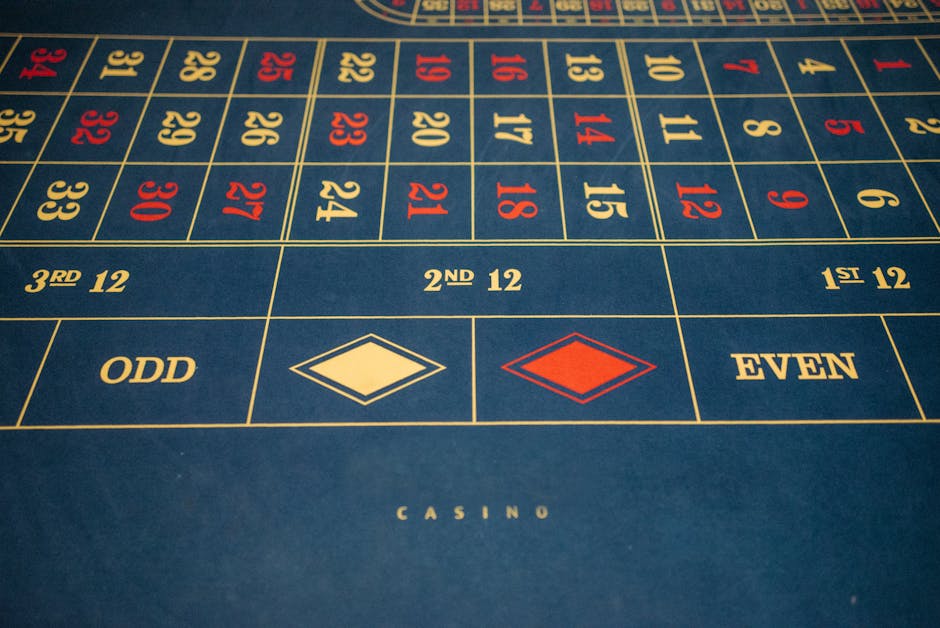
- It encompasses various activities including betting, gaming, lotteries, and more. The UK Gambling Commission (UKGC), the principal regulator, defines gambling in the Gambling Act 2005 as "betting, gaming, lotteries, and the provision of certain facilities for gambling."
This broad definition is crucial for regulatory purposes, ensuring all activities where money or stakes are risked come under scrutiny.
Betting vs Gaming: Key Differences
Betting and gaming are subsets of gambling, but they are fundamentally different in their structure and regulatory treatment.
Betting: Outcome-Based Wagering
Definition: Betting involves placing a stake on the outcome of a future event, often a sporting or competitive event. The bettor risks money based on their prediction of an uncertain event, typically where the outcome is external and uncontrollable.
- Examples: Football match outcomes, horse racing, political elections. By definition, betting is an odds-based activity — you place a bet at agreed odds, and if the event turns out as predicted, you win the stake multiplied by those odds.
From a regulatory perspective, betting is associated with activities where the client wagers against the bookmaker or platform based on external events.
Gaming: Electronic or Casino-Based Play
Definition: Gaming generally refers to games of chance or skill where the player participates in the game casino game definition itself, rather than betting on an external event.
- Examples: Slot machines, roulette, blackjack, poker, bingo. Gaming often occurs at online casino sites or physical casino venues. Unlike betting, gaming is based on the outcome of the game mechanics, which are governed by random number generators (RNGs) or other predefined rules.
According to the UK Gambling Commission, “gaming” specifically refers to activities like “the playing of a game of chance for a prize.” This definition underscores the player’s active involvement within the game environment itself rather than an external event’s outcome.
The Role of Casinos and Online Casino Sites
One frequent mistake in gambling discussions is to call every gambling site a “casino.” However, this can be misleading.
- Casino refers to a venue or platform offering games of chance, traditionally slot machines and table games like blackjack and roulette. Casinos can be physical (e.g., casinos in London or Leicester Square) or online (websites that simulate casino games). Sites that offer betting services (such as betting on football or horse racing) are not casinos; they are typically referred to as bookmakers or betting sites.
The UK Gambling Commission’s framework clearly distinguishes between casino operations and betting operations, which influences licensing, compliance requirements, and consumer protections.
Legal and Regulatory Definitions Under the Gambling Act 2005
The Gambling Act 2005 is the cornerstone of the UK’s gambling regulation, providing precise definitions that govern operators, regulators, and players alike.
Term Definition Example Regulatory Implication Betting Making a bet on the outcome of an event Betting on a football match result Requires a betting licence; controls on odds and fairness Gaming Playing a game of chance for a prize Playing an online slots game Requires a gaming licence; testing of RNG and game fairness Casino A place or platform offering gaming Online casino websites or physical casinos Specific licences with strict operational requirements Gambling Umbrella term covering betting, gaming, lotteries, etc. All forms of money-at-risk activities General compliance under Gambling Act 2005These clear distinctions enable Go to this site the UK Gambling Commission to issue tailored licences and enforce compliance measures appropriate to each activity’s nature.
Why Regulators Focus on Word Precision
Language is more than just a way to communicate—it governs legal compliance, consumer understanding, and enforcement action. Here are the top reasons why regulators care deeply about the words “betting” and “gaming”:
Licensing and Regulatory Scope: Operators must apply for the correct licence type depending on whether they offer betting, gaming, or both. Using the wrong term could lead to improper licensing, which is a serious breach. Consumer Protection: Clear terminology helps consumers understand what they are engaging with. For example, knowing you are betting on an external event vs. playing a game of chance shapes expectations about risk and fairness. Advertising Compliance: Advertising standards require operators to be truthful and clear. Misleading terms could confuse players or imply guarantees not supported by law. Data and Reporting: Regulatory reports around volumes, stakes, and outcomes rely on correct categorisation of activities. Enforcement and Penalties: Misuse of terminology can be evidence of non-compliance, affecting regulatory investigations.Common Confusion: Why “Gaming” Sometimes Gets Misused
A typical phrase that irritates regulators and industry insiders alike is the use of “gaming” as a vague euphemism for all gambling activities. This is a case of “sounds right but is wrong.”
For example, a betting site might describe itself as a “gaming operator,” which, though colloquially understandable, obscures crucial differences in regulatory classification. The UKGC’s website explicitly separates these activities to maintain clarity and regulatory precision.
Here is a before-and-after example of sentence rewriting to show the difference a small word swap makes:
Original: “Our gaming services include bets on sports and casino games.”
Rewritten: “Our services include betting on sports and gaming with casino games.”
Swapping “gaming” and “betting” clarifies that “gaming” is specifically casino-type play, whereas “betting” refers to wagering on external events. This small change improves legal and consumer clarity.
Online Casino Sites and Their Regulatory Context
Online casino sites typically offer “gaming” services under the UKGC’s strict licenses. These include:
- Slots Table games (roulette, blackjack, baccarat) Live dealer games Other electronic games defined as gaming
These sites do not usually offer sports betting, though some hybrid platforms combine both under separate licences.
Why the distinction matters: Online casino site operators must demonstrate compliance with gaming-specific requirements—like RNG testing and game fairness—distinct from betting regulations that focus heavily on odds and event integrity.

What About Price Information? A Regulatory Note
A frequent mistake in scraped content about gambling sites is the omission of pricing, such as bet stakes or cost per game spin. This matters because transparency regarding prices or stakes is key to consumer protection.
Regulators expect operators to clearly provide information about:
- Minimum and maximum bets or stakes Cost per play or spin in gaming Odds and potential returns on bets
Omitting such details in content or advertising can be seen as misleading, affecting licensing compliance.
Summary
In the UK, words like betting and gaming are not interchangeable—they have precise, legally defined meanings that affect licensing, consumer protections, and enforcement under the Gambling Act 2005. Betting means wagering on external event outcomes, while gaming means playing games of chance or skill, often in casinos or online casino sites. Calling every gambling site a “casino” or using “gaming” as a vague euphemism is inaccurate and problematic for regulatory clarity.
By understanding these distinctions and the UK Gambling Commission’s approach, operators and consumers alike can navigate the industry with clearer expectations and greater trust.
For more detailed information, always refer to the UK Gambling Commission’s official site.