When you dive into the world of poker, one phrase comes up over and over again: control. But why? What does control really mean to poker players, and why is it such a big deal compared to other forms of gambling? Here, we’ll unpack this idea with clear examples, digging into how poker blends skill, chance, and smart decision-making. Along the way, we'll naturally reference tools like heads-up displays (HUDs) and tracking software, and touch on how ecosystems such as MrQ operate under regulators like the UK Gambling Commission. To make it practical, I’ll even highlight how the AllAxess Editors analyze and communicate these poker concepts effectively.
Understanding Poker as a Decision Framework
At its core, poker is about decisions. Every hand involves choices — from whether to fold, call, or raise — each influenced by the cards, your opponents’ tendencies, and your current position. This sets poker apart from many gambling games, where chance is king and your input is limited to placing a bet.
Control versus chance is the heartbeat of poker strategy. You https://enyenimp3indir.net/how-do-i-stop-chasing-losses-when-i-leave-the-poker-room/ can’t control the cards dealt to you. But you can control how you respond. This is why serious players focus relentlessly on decision quality. The better your decisions, the more you tilt the long-term odds in your favor. This is often called the skill edge in poker.
Real-Life Example: Choosing Your Bets Intelligently
Imagine you’re sitting at a table online on MrQ during a busy evening session. You see a made hand, but there’s a player making aggressive bets. A poor player might panic and call every bet, hoping luck swings their way. But a player focused on control thinks: Does the math and reads I have support a call here? If the answer is no, they fold — controlling losses instead of chasing chance.
Multi-Platform Online Gambling Ecosystems
Today’s gambling scene is a multi-platform world. Operators like MrQ don’t just run one game or format. Instead, they offer poker alongside slots, bingo, and casino games, regulated under authorities like the UK Gambling Commission. Players move fluidly between games that emphasize either skill or chance.
This mixing of formats highlights why poker players prize control. In slots, for example, what you can control is almost nothing beyond the size of your wager. Outcomes depend heavily on random number generators. But poker players can employ systems—mental models and decision trees—giving them an edge.
Here’s where systems thinking enters. It’s about seeing poker as a complex, evolving ecosystem of information and actions—your decisions interact dynamically with opponents, bet sizes, and game flow.
Tools That Help You Control the Game
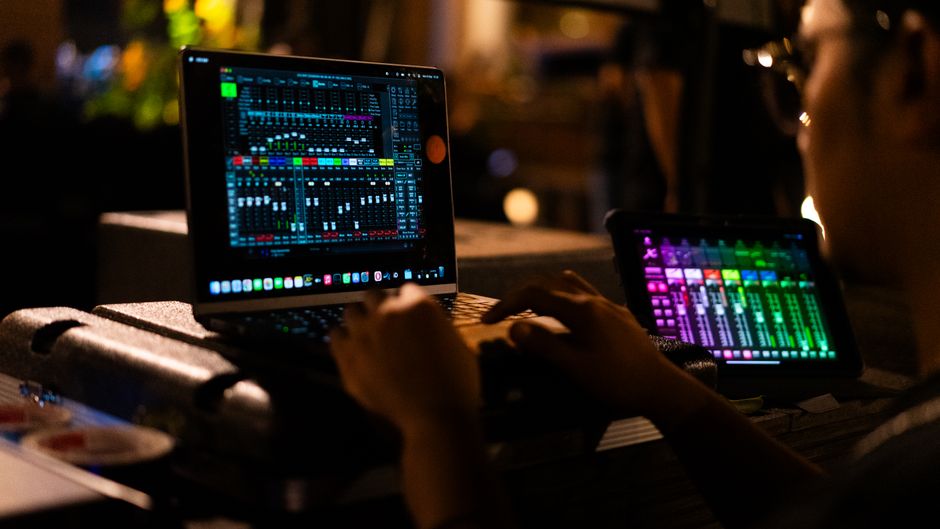
- Heads-Up Displays (HUDs): These overlay statistical information about opponents' tendencies directly on your screen. They help players make data-driven decisions, adding layers of control. Tracking Software: Programs that store and analyze hand histories. Tracking helps players identify mistakes or profitable plays, sharpening their skill edge over time.
Using these tools smartly means understanding what you can control (your information and processing) versus what you cannot (random card distribution). The AllAxess Editors regularly review such software to help readers appreciate this balance without falling for hype or overpromising “sure wins.”
Skill vs Chance Formats: Why Control Matters More in Poker
Gambling games fall along a spectrum between skill-dependent and pure chance formats. Poker sits near the skill end, unlike roulette or slots where outcomes are purely random. This context shapes player behavior:
Skill-Intensive Format: Your long-term success depends on how well you process incomplete information and manage risk. Chance-Heavy Format: Little control over outcome; luck dominates.Because poker is skill-intensive, players develop habits centered on control. They track their win rates, analyze opponent styles, and adjust tactics. This methodical approach contrasts with casual players at MrQ’s slot machines who mainly ride the luck wave.
Example: Bankroll Allocation by Risk Profile
Imagine two players joining a multi-platform gambling site regulated by the UK Gambling Commission. Player A focuses on poker and allocates a bankroll carefully using a conservative risk model; Player B prefers chance-based slots with a more aggressive approach.
Aspect Player A (Skill Edge Poker) Player B (Chance-Based Play) Bankroll Size Moderate, based on careful risk calculation Smaller, chasing variance swings Risk Tolerance Low to moderate, bets sized to survive downswings High, bets sized to maximize short-term excitement Focus Decision quality and long-term gains Entertainment, hoping for big winsPlayer A’s control mindset guides bankroll allocation and risk tolerance. Player B’s reliance on chance means less focus on control and more on bankroll volatility.

Why So Much Focus on Control?
Simply put: poker players talk about control because it’s the one thing they can influence in a game sprinkled with luck. They don’t obsess over the cards—because that’s fruitless—but they do emphasize:
- Making consistently strong decisions. Using technology and data to improve their game. Managing bankroll and bet sizing to weather bad beats. Studying opponents and adapting strategies in real-time.
Control is their lever within the messy mix of chance and incomplete information. Without this focus on control, poker would be little different from slots or roulette.
Systems Thinking Helps Keep It Real
The biggest mistake players make is trying to control what they cannot—like the outcome of a single hand. Systems thinking reminds us to control inputs (decisions, bankroll management) and observe outputs (win rate, opponent behavior) over many hands. This frame cuts through gambler’s fallacy and emotional swings.
The AllAxess Editors emphasize this balanced mindset in their content, promoting responsible play and realistic expectations—especially in regulated environments like those overseen by the UK Gambling Commission. The goal isn’t guaranteed wins but maximizing your skill edge poker and minimizing unnecessary risk.
Conclusion
When you hear poker players talk about control so much, now you know why it matters deeply. Poker isn’t just a game of chance; it’s a decision framework where control over your choices, information, and bankroll defines success. It stands apart in multi-platform gambling ecosystems like MrQ’s lobby, where skill versus chance is the key dividing line.
Players leverage tools like HUDs and tracking software to reinforce control, and use systems thinking MrQ casino platform alternatives to focus on what they can truly influence. Ultimately, understanding and embracing this control mindset is the real skill edge poker offers. It’s your way to navigate the uncertainties of the game smartly, without falling prey to overhyped promises or chasing luck.
```