For the past decade, I have watched the landscape of digital entertainment shift from solitary, screen-locked experiences toward vibrant, hyper-connected ecosystems. While online slots were once viewed as the digital equivalent of a quiet, dimly lit casino corner, the modern iteration of smartphone-based entertainment has flipped the script. Today, slot gaming is increasingly community-driven, borrowing heavily from the mechanics of massively multiplayer online games (MMORPGs) and social media platforms to foster a sense of belonging.
As noted in various industry reports from Reuters Technology, the intersection of mobile gaming and social connectivity is one of the most profitable sectors in the tech world. Players are no longer looking just for the "win"; they are looking for the "experience." In this deep dive, we will explore the UX patterns, progression loops, and competitive features that define the current era of social casino gaming.
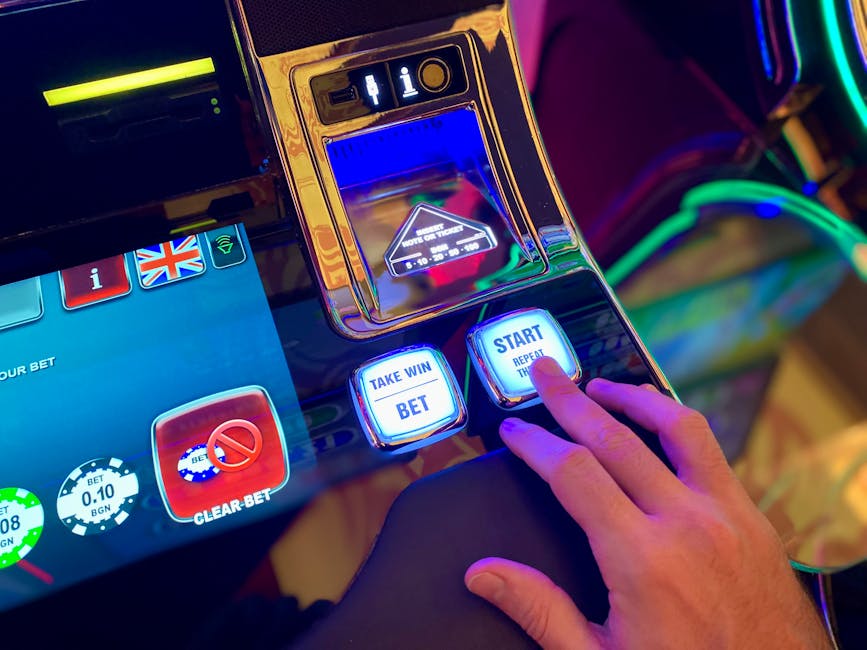
Mobile-First Design and the Power of Touch UX
The foundation of any socially connected game is accessibility. If a platform isn’t built with responsive design, the barriers to entry become too high for a social experience to flourish. Modern operators have moved away from clunky, desktop-first architecture to create fluid, touch-optimized interfaces that feel native to the device.
Why does this matter for social connectivity? Because social gaming relies on "micro-interactions." When a player can effortlessly tap through a leaderboard or hit a "share" button for a win celebration, the friction of the technology disappears. Companies like mr Q (mrq.com) have successfully leveraged this philosophy by prioritizing clean, intuitive touch UX that keeps players engaged without overwhelming them. By making the interface feel like a natural extension of personalized casino promos the player’s thumb, these platforms allow users to focus on the community aspect—the communal joy of a bonus round or the shared tension of a tournament.
Interactive Progression Loops: Moving Beyond the Single Spin
One of the most significant shifts in online slot design is the implementation of interactive progression loops. In legacy games, the relationship was linear: bet, spin, result. Today, the loop is circular and continuous. Missions, quests, and experience-based leveling turn a casual hobby into an ongoing narrative.
When a player is tasked with completing a "daily mission"—such as hitting a specific symbol combination or playing a certain number of spins—it mimics the achievement systems found in mainstream casual games. This transforms the slot experience into a personal quest. When these missions are shared or tracked against a peer group, they become a social anchor. Players aren't just spinning; they are leveling up their profiles, earning badges, and unlocking vanity items, which provides a tangible sense of progression that can be showcased to others.
The Role of Missions in Retention
- Short-term goals: Quick wins that provide an immediate dopamine hit and encourage a return to the app. Long-term milestones: Tiered systems that reward high-engagement players with exclusive access or status. Community tasks: Collaborative challenges where groups of players work toward a common goal, fostering a team-oriented culture.
Daily Bonuses and Loyalty Systems
If you look at the lifestyle and culture coverage often featured in outlets like SHEEN Magazine, you will notice a recurring trend: readers gravitate toward brands that make them feel like "VIPs." Online casinos have caught on to this by refining their loyalty systems. Daily bonuses are no longer just static rewards; they are often gamified events.
A sophisticated loyalty system now acts as a retention hook by offering:
Streak Rewards: Incentivizing daily logins, which trains the player to treat the app as a part of their routine. Personalized Perks: Using data analytics to offer bonuses based on a player's specific playstyle, making them feel "seen" by the algorithm. Community Incentives: Rewarding a player for interacting with others, such as gifting coins to friends or participating in group discussions within the app. 
Competitive Stakes: Leaderboards and Tournaments
Perhaps the most potent social features casino operators utilize are leaderboards and tournaments. Competition is the oldest social driver in human history. By integrating real-time competitive elements, casinos turn a solitary activity into a spectator sport.
Tournaments allow players to pit their results against others in real-time. This changes the psychological landscape of the game; you are no longer playing against the house's edge, but rather competing for a high score among peers. This creates a "community of interest" where players can share strategies, commiserate over losses, and celebrate big leaderboard climbs.
The leaderboard, specifically, serves as a social feedback loop. It validates the player’s skill or luck relative to the community. When a player sees their name climbing the ranks, it triggers a powerful intrinsic need for status and recognition. This is why top-tier developers put significant UX resources into making these leaderboards dynamic, visually exciting, and frequently updated.
Comparison: Traditional Slots vs. Socially Connected Slots
Feature Traditional Slots Socially Connected Slots Player Motivation Monetary gain only Progression, competition, and status Progression None (randomized) Levels, badges, and mission-based tiers Community Isolated Leaderboards, group challenges, chat Feedback Loops Win/Loss screen Real-time competitive rankings and alertsThe Future of Social Gaming
As we look toward the future, the integration of social elements in slots will likely become even https://casinocrowd.com/what-does-interactive-slot-experience-actually-mean/ more immersive. We are already seeing the early stages of "social lobbies" where players can choose their environment and interact with others in a virtual space. The goal is to replicate the energy of a physical casino floor, where the sound of someone else winning adds to the collective excitement of the room.
However, operators must be careful. As Reuters Technology often highlights, the balance between profit-driven retention hooks and player well-being is delicate. The most successful platforms—those that define the "social features casino" space—are those that create genuine community value. When a player feels connected to a group, they are more likely to participate in a healthy, enjoyable way rather than falling into the trap of addictive, solitary play.
Conclusion
The transformation of online slots into socially connected hubs is a triumph of UX design and human psychology. By embracing mobile-first design, meaningful progression loops, and the inherent thrill of tournaments and leaderboards, developers have created a product that satisfies the human need for community.
Whether it is the seamless touch UX of a brand like mr Q or the sophisticated gamification tactics analyzed by high-profile outlets like SHEEN Magazine, the message is clear: the future of gaming is social. As these tools continue to evolve, we can expect the line between "playing a slot" and "engaging in a social experience" to continue to blur, making the digital casino floor more inclusive, competitive, and entertaining than ever before.